


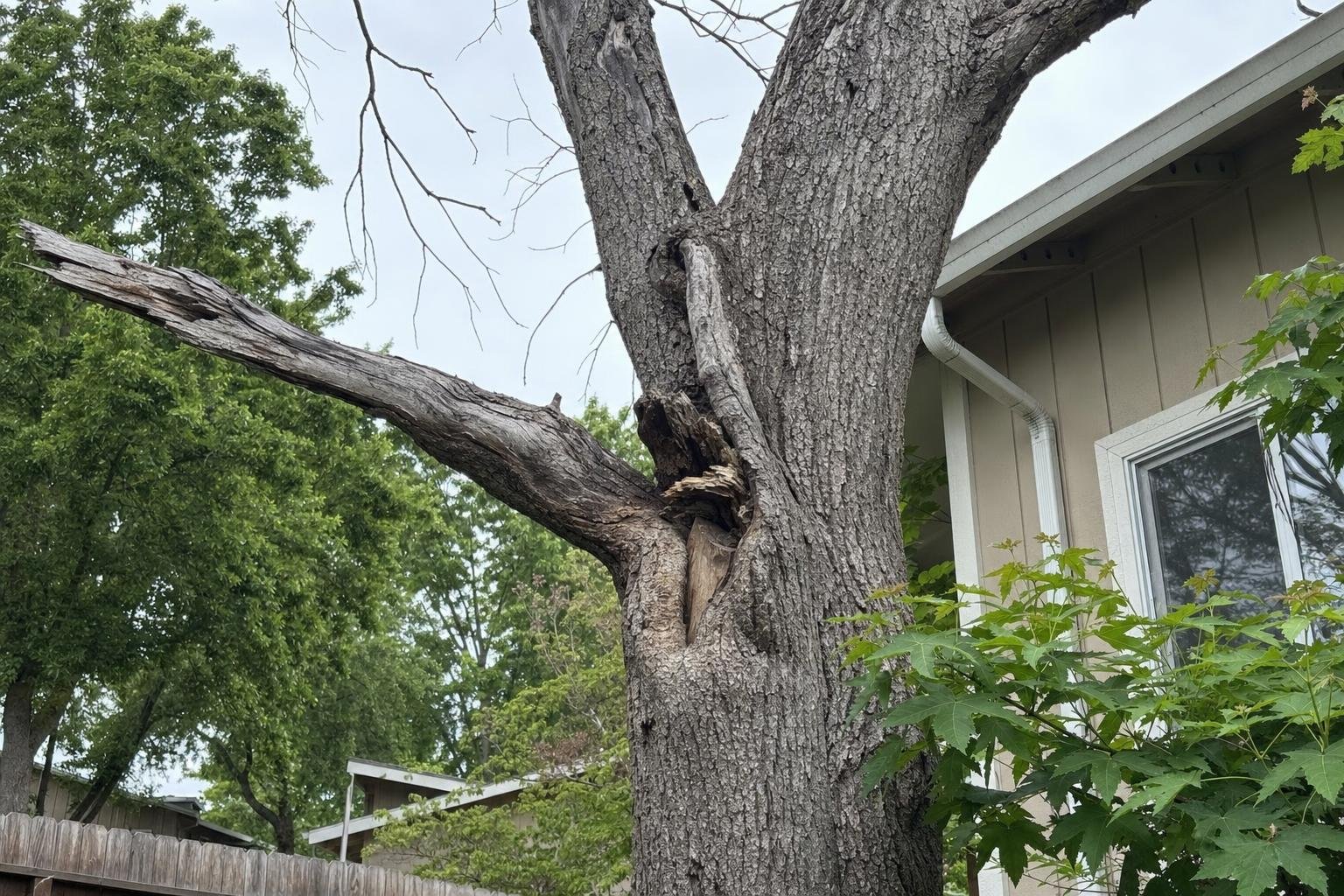
Storm-damaged tree
What's behind it: High winds or storms can break branches or bring down trees.
What we check first: Assess the damaged tree and nearby hazards before deciding what to prune or remove.
Straight answers, free quotes, and scheduling that respects your time, serving Redding and the surrounding area.
Questions Welcome
Calling is the simplest way to start, and you'll get a straight answer.

No obligation
Call (530) 319-6300How this works
One branch reaches past the gutter line, or the trunk has started to lean more than it did last year, and you can't tell if it's a job for this week or for someday.
More than half of Redding's homes went up between the 1970s and the 1990s, and the median home dates to 1983. The trees in those yards have had forty years or more to grow. Many now sit over roofs, close to wood-framed walls, and tight against fences and driveways, in yards that are settled and have little room left.
Summers here are dry and warm, which is hard on a tree that isn't getting much water, so we look up into the crown for dead wood and weak limbs.
The ground matters just as much. Soils around Redding run from rocky and gravelly to clay-loam, and that changes how steady the ground is under a ladder or a rigging point. We look at it before we decide how to work.
We cut back to the branch structure instead of leaving a stub, because how a cut is made decides how the tree heals and where it grows next.
Some trees can't be saved or shouldn't stay. Then it's a removal, and when the tree stands over a house or fence, we take it down in sections so nothing drops on what's below. If a trim solves the problem, that's the job we'll quote, not a removal.
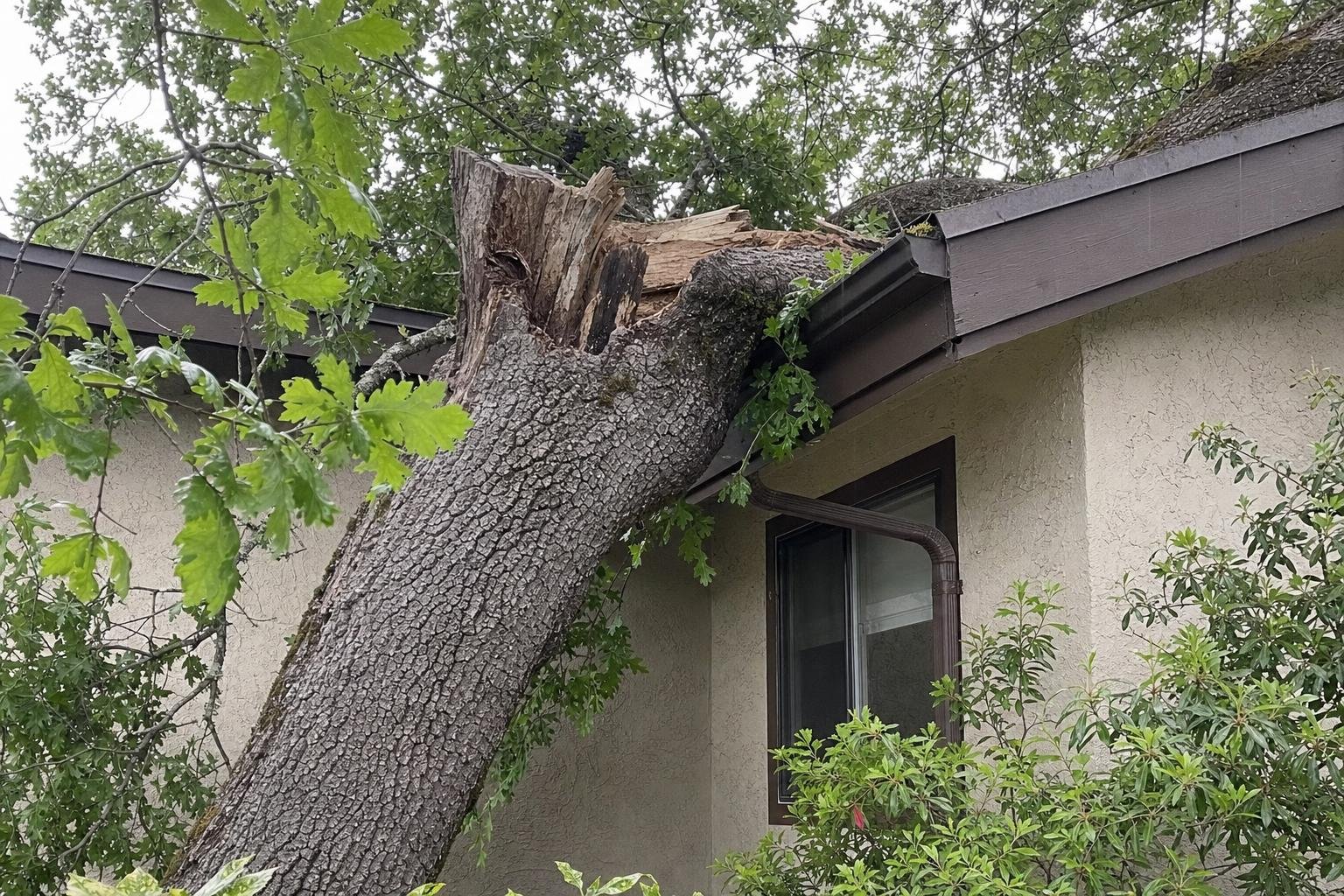
We walk the site before anything gets priced. On the walk we look for power lines overhead, broken limbs, how far the trunk leans, any building close by, traffic, and ground that might shift under us. Traffic along the street changes how we set up, and the quote follows.
Next we judge whether the tree is sound enough to hold a climber, rigging lines, or the load of a cut limb. Sometimes it isn't, and the plan changes to different rigging or smaller pieces taken down from the outside in. We'd rather find that out from the ground than halfway up.
The written quote says what we're cutting, what we're leaving, and what happens to the brush and wood. Price follows tree size and condition, access, whatever sits underneath or alongside, and the amount of cleanup. We settle the exact number after seeing the tree, and you have it on paper before the first cut.
The sequence is a description from you, a site visit from us, then the quote on paper. On the day, the crew sets up around the site, protects what's under the tree, cuts and lowers the wood, and cleans up as agreed. A simple trim can be an afternoon. A big removal next to a house runs longer, since each section is lowered on a line rather than dropped.
There's no blanket answer on permits; it turns on the tree, its spot in the yard, and what we're doing to it. Raise it when we walk the site. If your tree needs one, it goes in the quote, so you don't find out after the saw is running.
Take a few photos of the tree from different sides, including the base and any damaged area, and note what it's near: roof, wires, fence, neighbor's yard. Keep people and vehicles clear of anything leaning or hanging. If a limb is already down on the house or across your driveway, say so when you call, because that changes how soon we come.
If the tree is healthy and nothing is threatening a structure, the honest answer may be to leave it alone. We'd rather tell you that than take the job. What we won't do is top a tree or hack off whatever's easiest to reach. That saves an hour and leaves you with a weaker tree or one that's still a hazard.
Call us, or send the photos. We'll ask which tree, where it is, and what worries you about it. You don't have to choose between trimming and removal on that call, and nothing is decided until you have the written quote in hand.
Choose what you need and see how we handle it.
We check before we recommend anything; here's what that looks like.
What's behind it: High winds or storms can break branches or bring down trees.
What we check first: Assess the damaged tree and nearby hazards before deciding what to prune or remove.
What's behind it: A stump remains after a tree has been cut down.
What we check first: Inspect the stump and the space available to access it with a grinder.
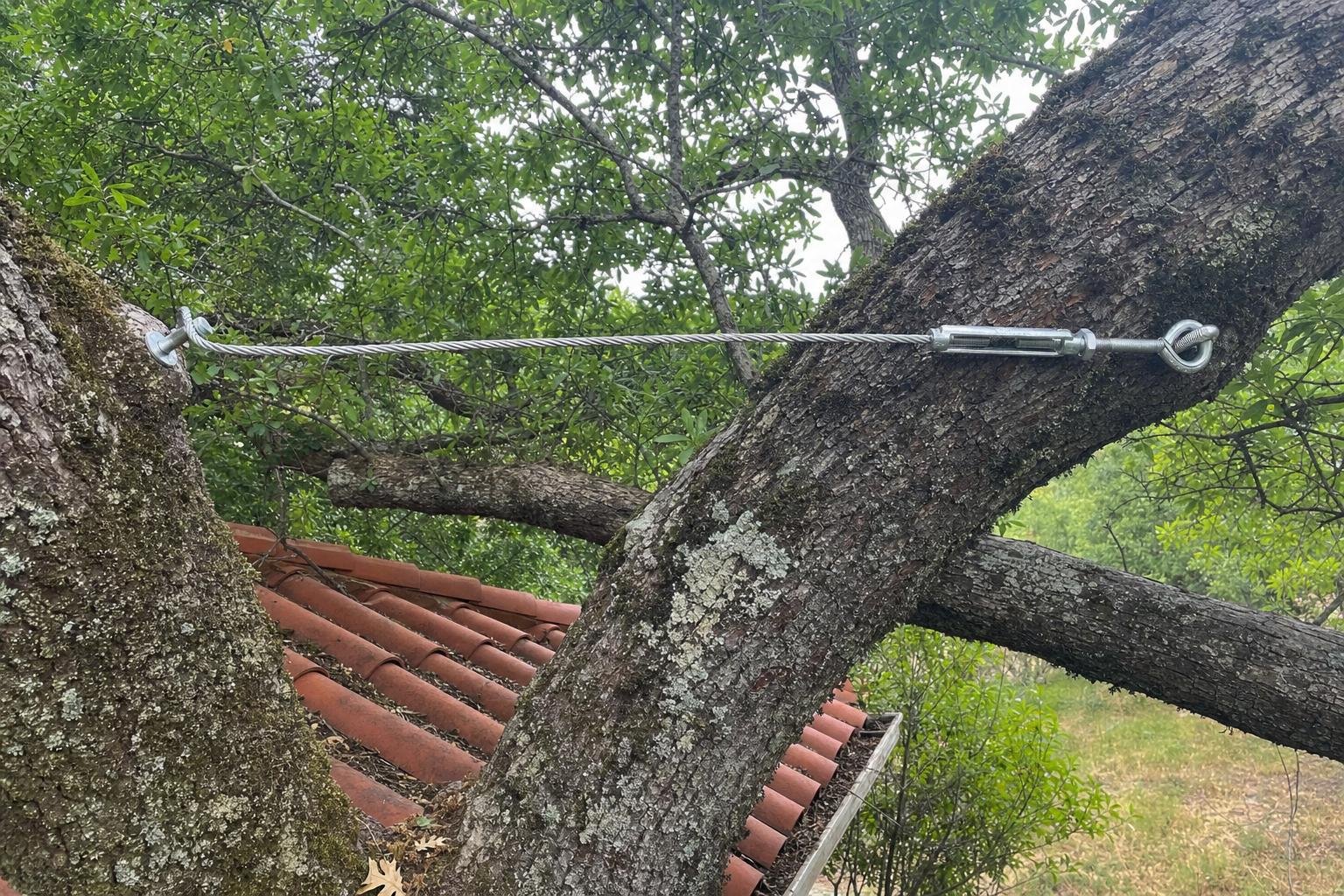
What's behind it: Branches with poor attachments are more likely to snap under stress.
What we check first: Evaluate whether the branch connection and tree condition allow for installing support cables.
What's behind it: Branches may have extended into areas where they conflict with buildings or other structures.
What we check first: Assess how much pruning is required to resolve branch interference with nearby objects.
No guesswork about what comes next:
A two-minute call is enough to tell us what the job is and what it involves.
We look at the job on site so the quote is real, not a guess.
You get a written scope with the price on it, so you can look it over without being rushed.
No obligation
Call (530) 319-6300How this works
We cover Redding, CA, and whether you're in Shasta Lake, Anderson, or right in Redding, the process is the same. Call (530) 319-6300 to check that we cover your street.
That makes 7 communities in all.
ZIP codes: 96003, 96001, 96002.
There's no single right answer; it depends on the job.
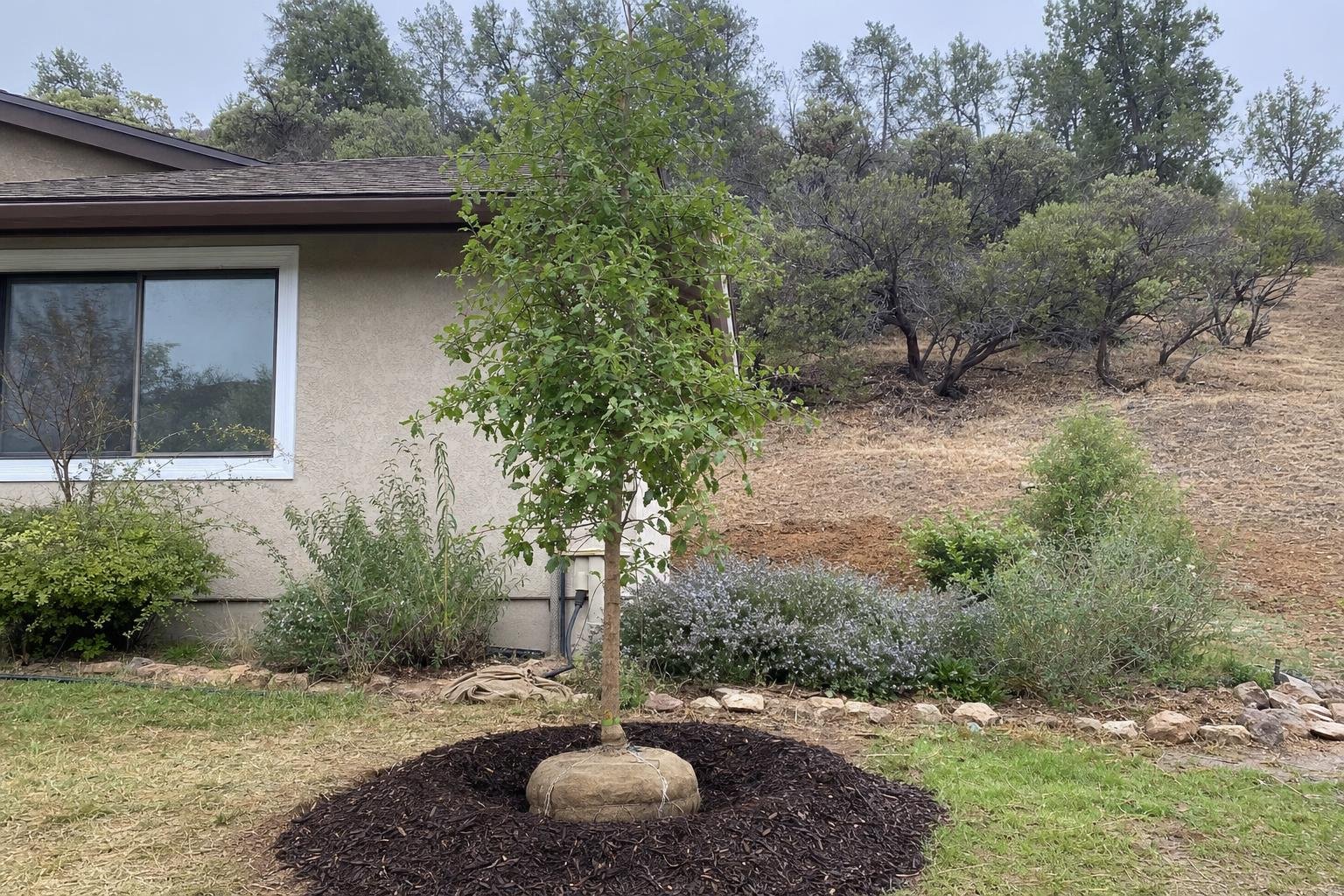
Example photos by service, to help you picture each kind of job.
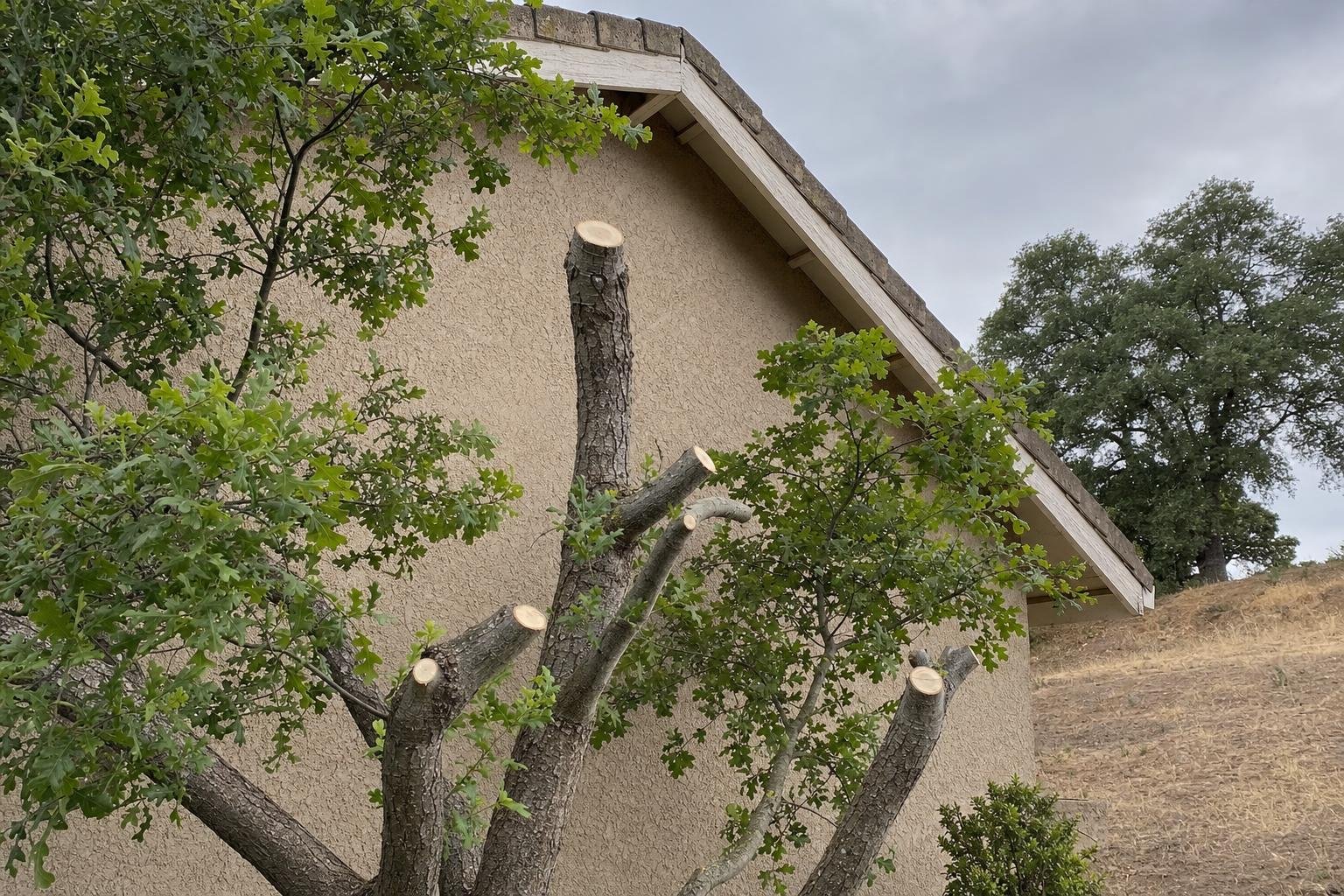
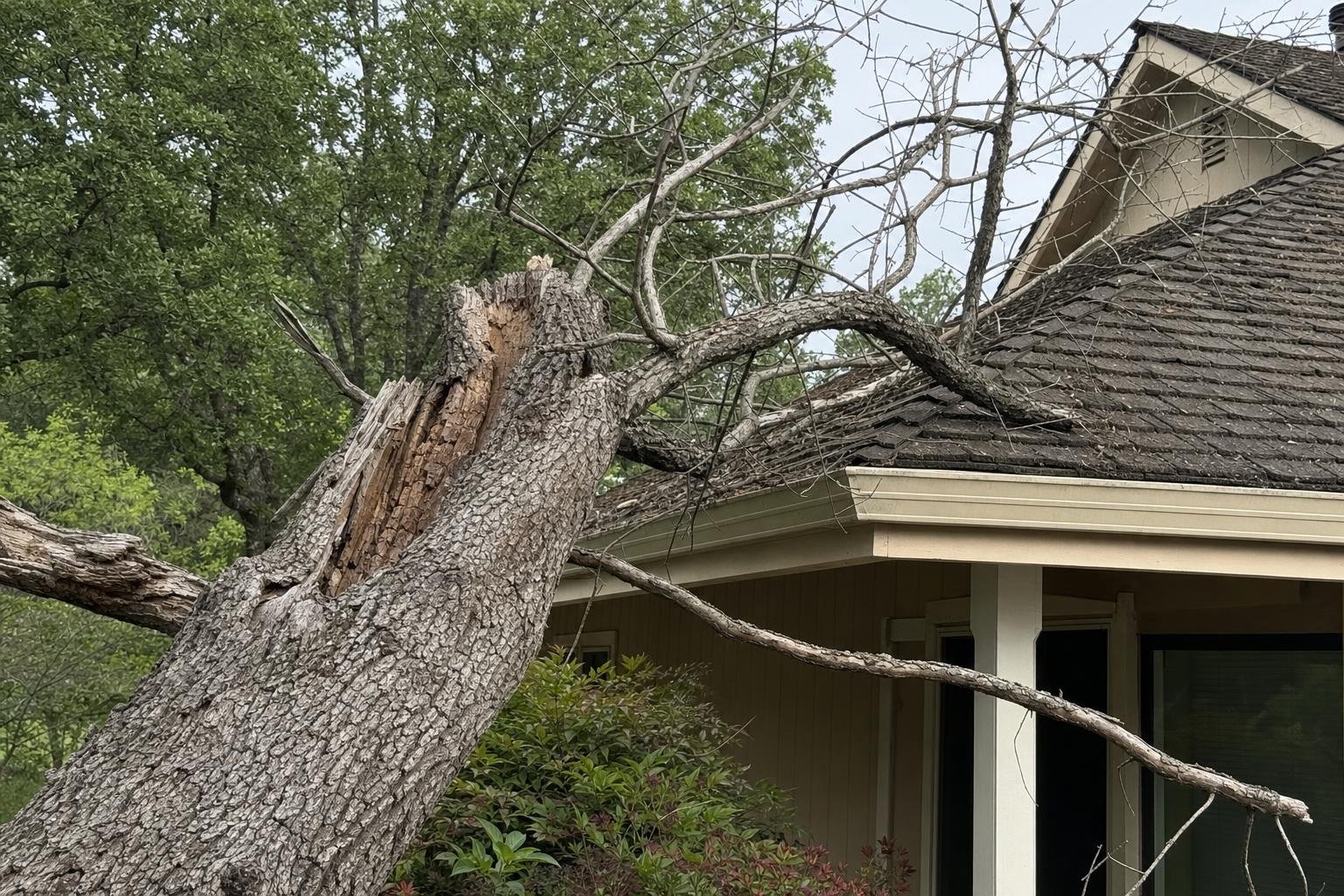
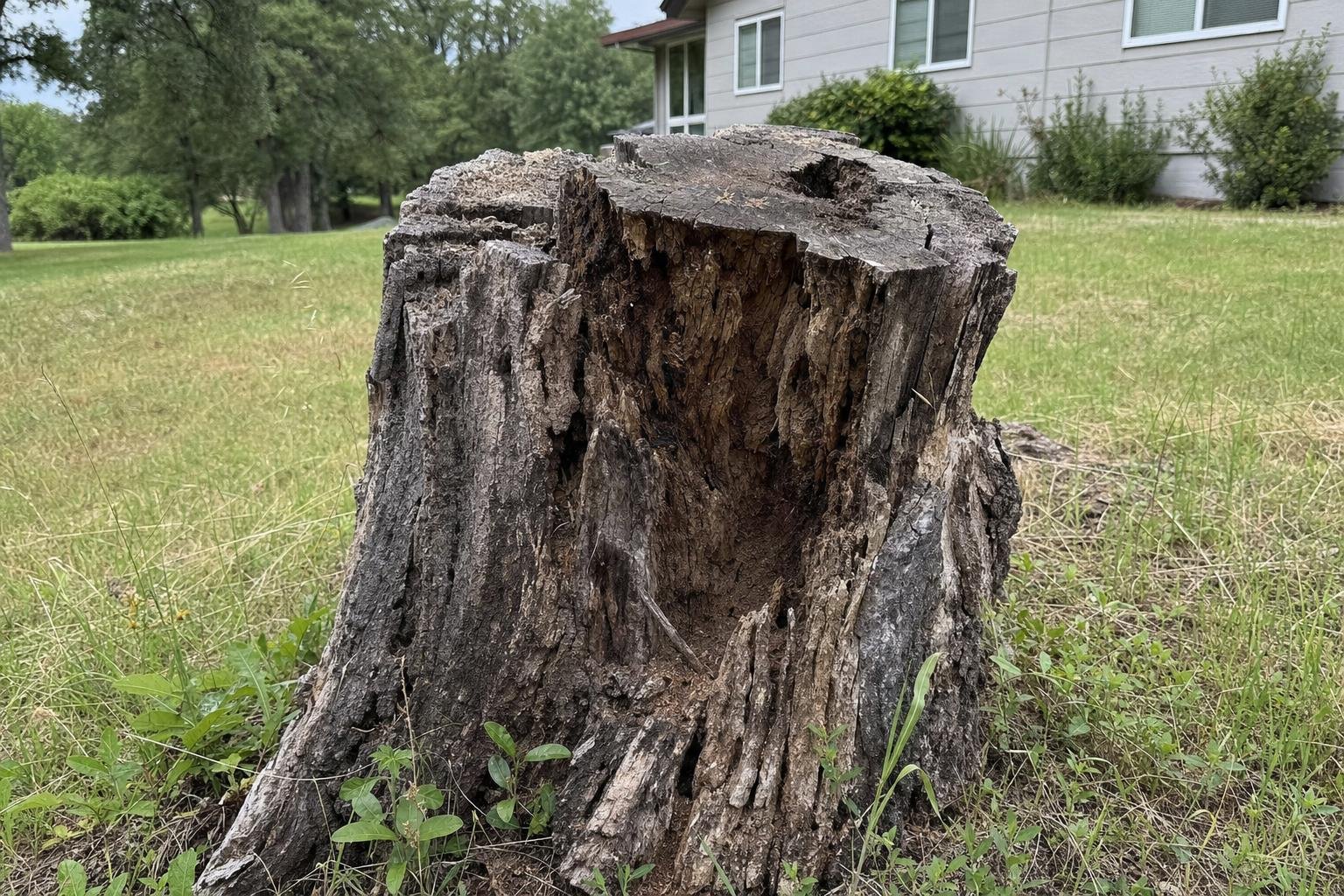
Plan around these figures, and we put the exact price in writing before any work starts.
$550–$1,450
$150–$600
$125–$175
Many localities require permits for tree removal, especially for protected species or large trees. Rules vary by city, check with your municipal office or arborist. Fines can apply for unauthorized removal. Some exemptions exist for dead or hazardous trees, but documentation may still be needed.
Stumps can attract pests (termites, ants), pose tripping hazards, or regrow shoots. They also hinder landscaping and mowing. Stump grinding ($150–$600) or full extraction ($125–$175) solves this. Some opt to leave stumps for natural decay, but this takes years and may require chemical treatments.
Ensure contractors carry general liability insurance (covers property damage) and workers’ compensation (for injuries). Request proof before hiring. Uninsured work risks costly liabilities if accidents occur. Reputable companies provide certificates, avoid those who won’t. Additional insurance like auto or equipment coverage is a plus.
Late winter to early spring (dormant season) is ideal for most trees, it reduces disease risk and stress. Exceptions: prune flowering trees after blooms fade, and avoid oak pruning in spring/summer to prevent disease. Emergency trimming for hazards can be done year-round.
Reputable companies fix damages under their liability insurance. Document issues immediately with photos and notify the crew leader. Contracts should outline damage responsibility, review before work starts. Avoid cash-only deals; insured contractors will address repairs professionally. Small claims court is an option for uncooperative providers.
Some municipalities or nonprofits offer free or discounted tree removal for seniors, but availability varies. Check local government programs, charities, or community assistance initiatives. Most standard tree services charge market rates, so inquire about senior-specific aid programs in your area.
Phone us and describe the job, you'll get an honest answer.
Estimates · No-pressure scheduling